
The easiest way to choose a beef cut is to start with the cooking method, not the package name.
For fast, high heat
Tender steaks such as ribeye, strip, tenderloin, and similar cuts work well with grilling, cast iron, or broiling. These cuts do not need hours of cooking to become tender.
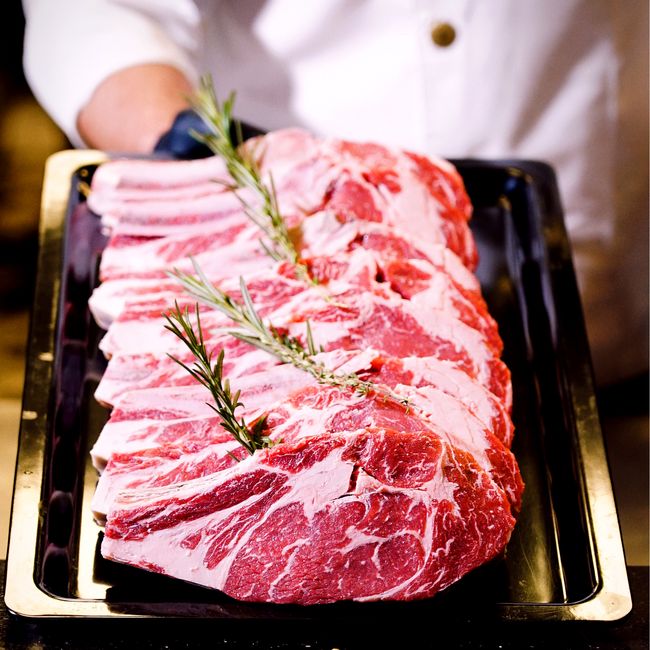
For braising
Chuck, short ribs, and other collagen-rich cuts reward lower heat, moisture, and time. The long cook transforms connective tissue and creates the texture people associate with pot roast and braised beef.
For roasting
Larger whole-muscle cuts can be roasted when their tenderness and fat level fit the method. A thermometer is more reliable than cooking only by time.
For weeknight flexibility
Ground beef is hard to beat. Burgers, meatballs, tacos, sauces, chili, and casseroles make it one of the most versatile parts of a beef share.
For unfamiliar cuts
Ask one question: is this a naturally tender muscle or a hardworking muscle with more connective tissue?
Tender cuts usually want shorter cooking. Hardworking cuts usually want time.
Learning that distinction makes a freezer full of farm beef much easier to use and helps every part of the animal become a good meal.


